

This poster was originally presented at ISPOR on May 19, 2026, in Philadelphia, PA.
Authors: Rohan Vashi, Dave Iwanyckyj, Fernando Otalora, Melanie Jardim
Affiliations: Amplity Inc, Langhorne, PA, USA
Non–small cell lung cancer (NSCLC) is the most common lung cancer subtype, and accounts for approximately 80-85% of all lung cancers. Approximately 60% of patients are diagnosed at an advanced stage of disease, which remains particularly challenging to treat and is associated with poor outcomes. Treatment of metastatic NSCLC (mNSCLC) utilizes targeted therapy or chemotherapy and is often guided by molecular profiling.
Mutations in the epidermal growth factor receptor (EGFR) tyrosine kinase domain are a major oncogenic driver of NSCLC, promoting tumor growth and survival. Optimal treatment sequencing remains unclear in EGFR-mutated mNSCLC, presenting challenges in clinical decision-making.
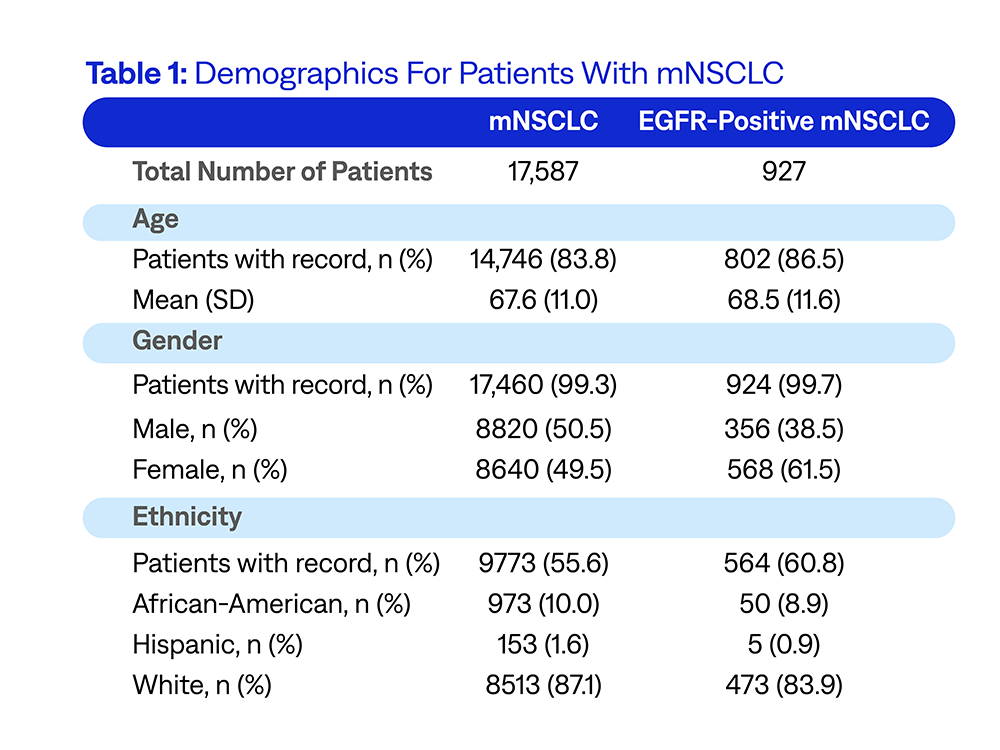
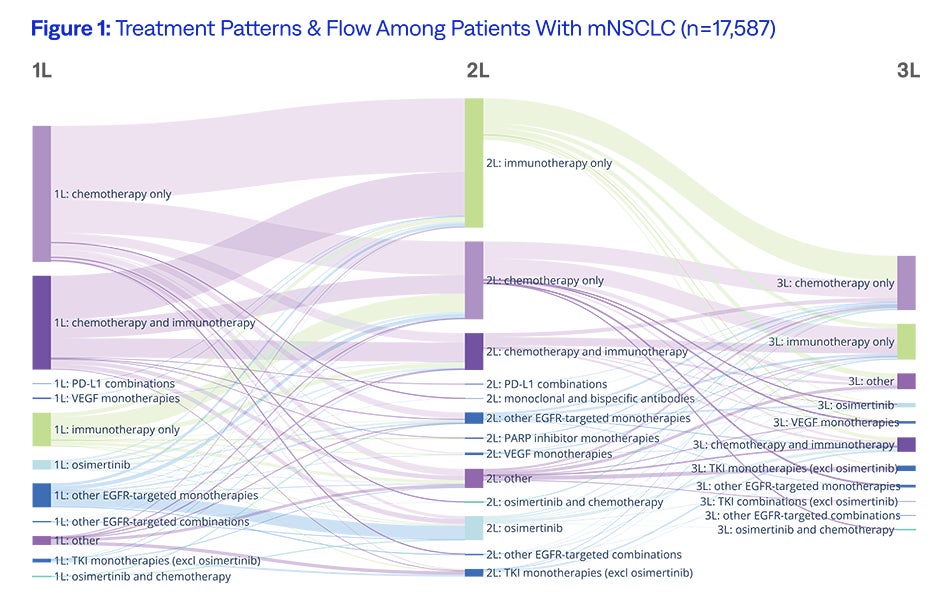
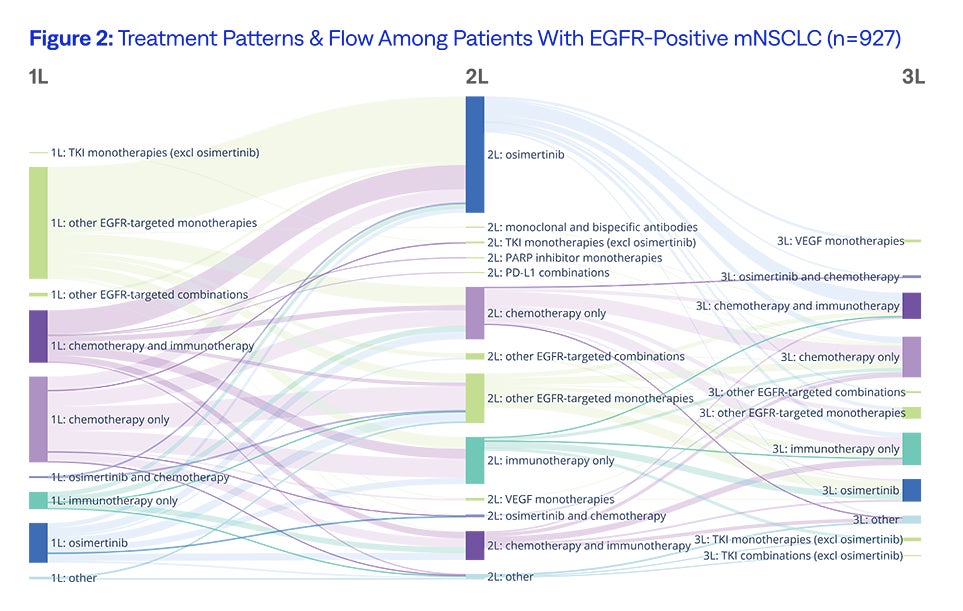
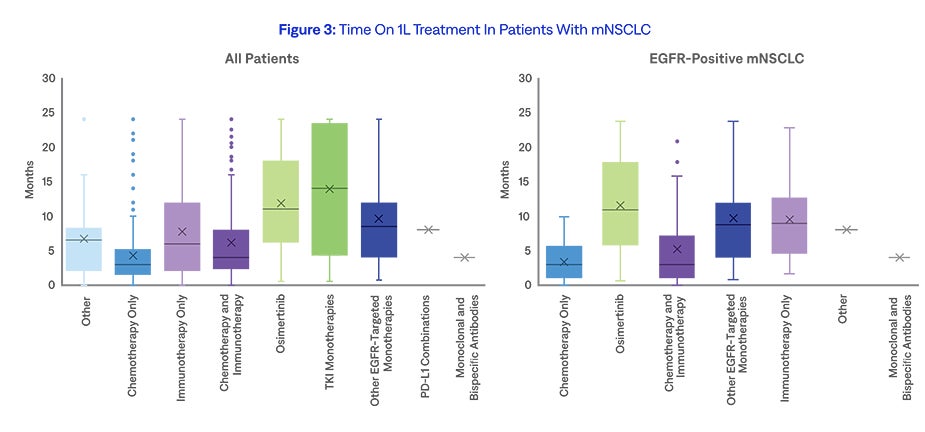
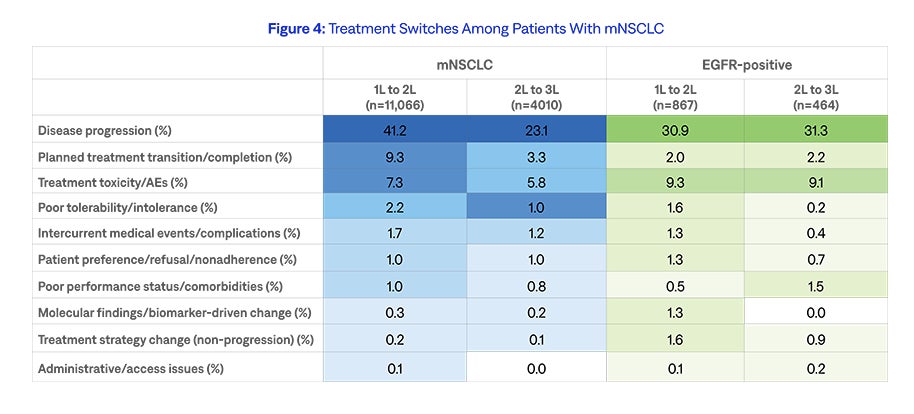
This research characterizes real-world treatment patterns among community and academic physicians and identifies reasons for treatment transitions, particularly among an EGFR-positive patient subgroup.
AnswerY helps explain HCP behavior. See other NSCLC research.