Changing Minds, Healing Hearts: Using AI To Bridge Care Gaps
Advancing healthcare, particularly in the diagnosis and treatment of cardiovascular disease (CVD) and brain health, requires addressing systemic, organizational, and individual barriers. During the recent American Heart Association (AHA) Center for Health Technology & Innovation (CHTI) Scientific Sessions, Steve Ennen, Director, Client Partnership Strategy at Amplity, presented the transformative role AI can play in overcoming these challenges. By leveraging data-driven insights, AI has the potential to accelerate care delivery, improve outcomes, support guidelines, and bridge gaps in knowledge and practices that hinder progress. This article delves into the current barriers in cardiovascular care, explores how AI platforms for life sciences can mitigate these issues, and highlights actionable insights derived from AI-driven analyses.
Current Challenges In Cardiovascular Care
The management of CVD remains complex due to overlapping conditions, diagnostic ambiguities, and the need for nuanced risk-benefit assessments. While advancements in diagnostics and treatments are available, systemic inertia, clinical uncertainty, and logistical challenges often prevent widespread adoption. Amplity’s analysis examined these challenges deeper, using its proprietary AI to probe the language of the healthcare providers (HCPs) themselves, to find better ways to fill the care gaps.
Using HIPAA-compliant AI platform for life sciences AnswerY™, an analysis of over 3,800 HCPs and 16,464 cardiovascular patients revealed 3 primary barriers to adopting updated diagnostic and treatment methods:
- Clinical Complexity & Patient Comorbidities: Cardiovascular patients frequently present with multiple coexisting conditions, such as hypertension, chronic kidney disease (CKD), vascular disorders, and heart failure. These comorbidities complicate treatment decisions, increasing the need for tailored approaches. The analysis showed that HCPs often mention these complexities as impactful on the next steps in care, leading in any instances to delays, added testing or referrals to assist with clarity and treatment decisions.
- Diagnostic Uncertainty: Ambiguous or borderline test results often leave providers uncertain about next steps. This hesitation can delay the integration of newer diagnostic tools and treatment options, even when evidence suggests their efficacy. Despite the use of diagnostic tests to help sort through complexities, HCPs, especially those in community settings, are often slower to adopt newer, more advanced diagnostic tools that may expedite and clarify treatment routes.
- Patient, Provider & Systemic Barriers: Delays in care advancement can result from factors such as noncompliance, logistical challenges, financial constraints, and entrenched clinical practices. Both HCPs and patients may struggle to break established habits, with past experiences and care patterns heavily influencing decisions. Additionally, patient preferences—shaped by insurance, logistical barriers, and fear—can further hinder timely treatment, ultimately affecting outcomes.
Leveraging AI To Drive Change
AI is able to use data in a robust, curated way, which can then be integrated effectively within clinical workflows. AI platforms like AnswerY, which compliantly analyzes over 82 million dictated records from HCPs, generate unique insights into the decision-making processes faced by providers and patients addressing these challenges head-on. By using the language and rationale of the healthcare community, AI can illuminate gaps in knowledge or care hurdles tied to rationale and illustrate optimal ways to communicate knowledge, process and progress. And it’s done in language that resonates with the care community.
In particular, AI can help address key barriers in cardiovascular care by:
- Improving Evidence Communication: AI synthesizes vast amounts of clinical evidence and treatment rationale and presents it in a way that resonates with HCPs. By emphasizing safety and efficacy in complex populations, AI can reduce hesitation and foster confidence in adopting updated practices by addressing uncertainty at scale.
- Enhancing Patient Engagement: AI can indicate the potential for the main reasons for patient noncompliance and identify or quantify social determinants of health and other factors that influence outcomes. Tailored communication and education strategies informed by AI insights can improve adherence and foster better engagement at speed never before available.
- Supporting Risk-Benefit Decision-Making: AI-powered tools assist providers in navigating diagnostic ambiguity and balancing the risks and benefits of treatment, enabling more informed decisions for guideline-focused treatments, at a national scale.
Insights From AI-Driven Analyses
Using an AI platform for pharma to analyze real-world data from HCPs and patients has produced important insights into the barriers and opportunities for advancing cardiovascular care. In addition to uncertainties and practice challenges listed above, AI can also identify behaviors tied to drug choices and the impact of comorbidities. This allows an AI-driven tool to identify barriers to care or challenges that prescribed treatments may face in the market. As shown in Figure 1, specific findings from AnswerY research include:
- Discontinuation Rates: Discontinuation rates for antiarrhythmic drugs (AADs) range between 13% and 16%, clearly affecting outcomes. Patients who are referred to cardiology specialists experience higher rates, with 18% discontinuing treatment compared to 14% among non-referred patients. For newer treatments, there are cost-related discontinuations notably higher compared to other AADs.
- Comorbidities & Treatment Outcomes: Common comorbidities among AAD users include hypertension, CKD, vascular disorders, and heart failure. Patients who discontinue AAD treatments are more likely to have conditions such as heart failure or heart valve disease, suggesting a need for better management of these complexities and the drugs that are in the treatment mix.
- Side Effects & Cost Drivers: In the Amplity study, while one brand had a lower rate of discontinuation due to side effects like bradycardia, cost remained a significant driver of treatment discontinuation. Addressing financial barriers is critical to ensuring equitable access to innovative therapies.
These findings highlight the multifaceted nature of barriers to care and underscore the importance of addressing both clinical and non-clinical factors in advancing treatment.
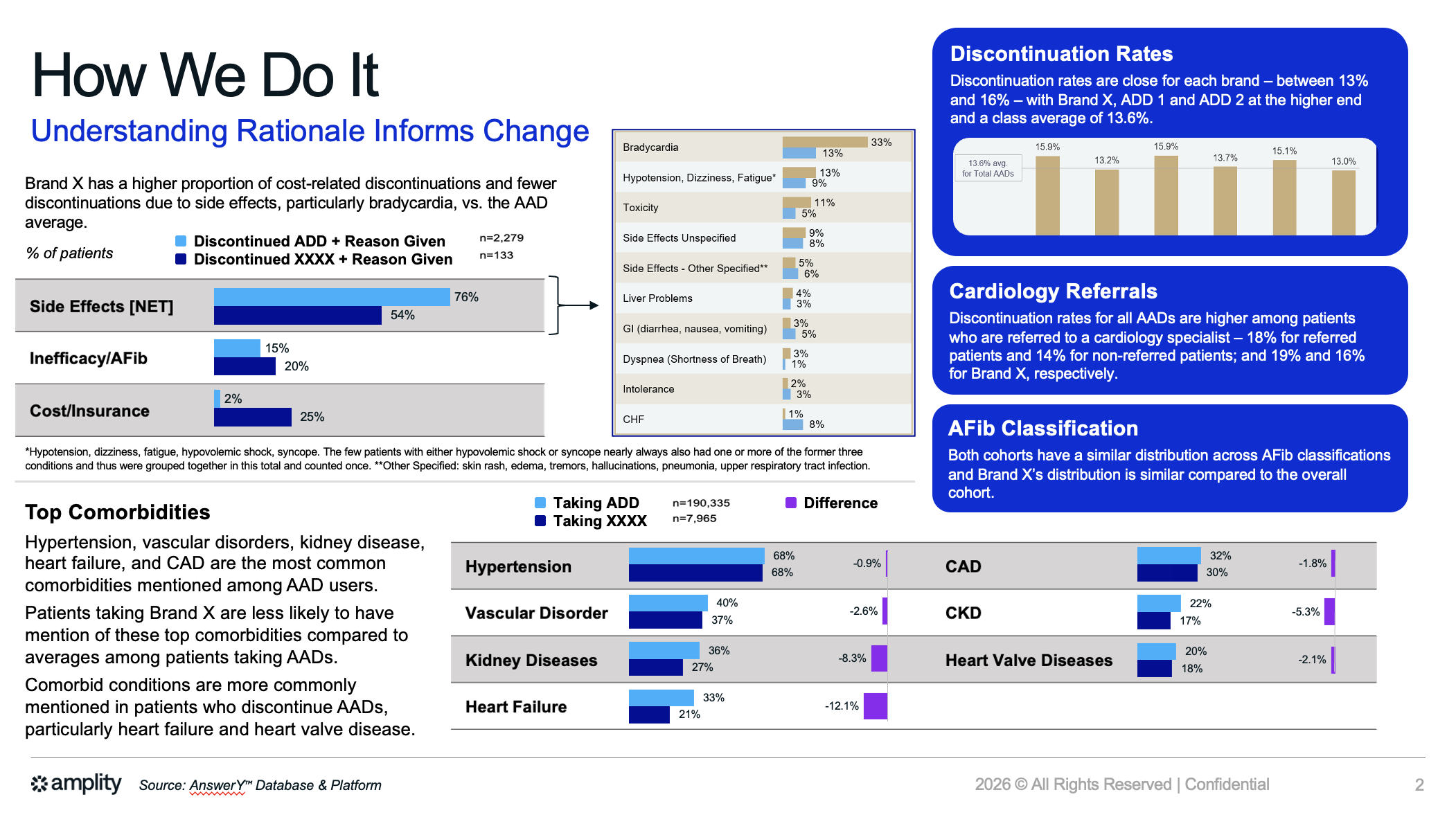
Figure 1: AI-driven insights based on AnswerY analysis.
Overcoming Headwinds In Cardiovascular Care
It’s clear AI platforms can offer healthcare professionals and organizations the tools needed to address the barriers that impede care advancement as revealed by HCPs themselves. By tailoring messaging and education to resonate with HCPs, reducing diagnostic uncertainty, and fostering patient adherence, AI can bridge the gaps between clinical knowledge and updated practices.
- Filling Knowledge Gaps: AI enables the identification of knowledge gaps among providers. In the case of AnswerY, datapoints are based on HIPAA-compliant patient-provider interactions, which offers opportunities to develop targeted educational programs and decision-support tools.
- Enhancing Communication: AI-driven insights can help pharmaceutical companies and healthcare organizations craft effective messaging to convey the benefits of new diagnostics and treatments, overcome doubts and prejudices, and address uncertainties around issues such as side effects and comorbidities. This not only builds HCP confidence but also supports informed decision-making.
- Addressing Systemic Challenges: By analyzing real-world data, AI can uncover systemic barriers such as cost and insurance challenges, enabling organizations to advocate for policy changes and develop innovative, patient-centered solutions to improve access to care.
Transforming Care With AI-Driven Strategies
AI, when trained on the right data and integrated effectively, has the power to change the landscape of cardiovascular care. By addressing knowledge gaps, reducing uncertainty, and fostering adherence, AI can accelerate the adoption of innovative diagnostics, treatments and guidelines. AI platforms for life sciences like AnswerY demonstrate the potential of AI to provide actionable insights that help healthcare providers navigate the complexities of cardiovascular care.
As healthcare organizations continue to invest in AI-driven strategies, collaboration and innovation will be key to ensuring equitable and effective care delivery. The ability to “change minds and heal hearts” lies in leveraging technology to empower providers and patients alike, driving better outcomes for all.
Ready to learn how AnswerY can help you drive better next-best actions in cardiovascular care and other therapeutic areas? Schedule a live demonstration now.